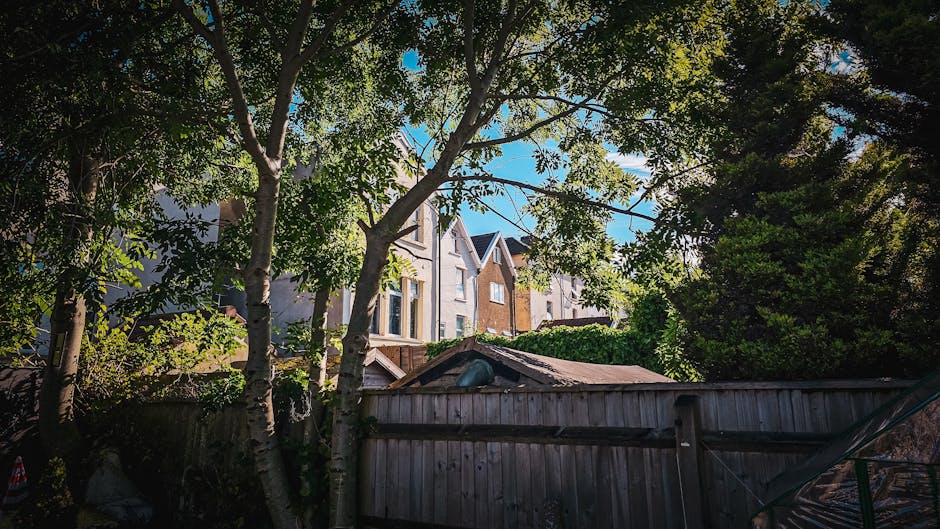
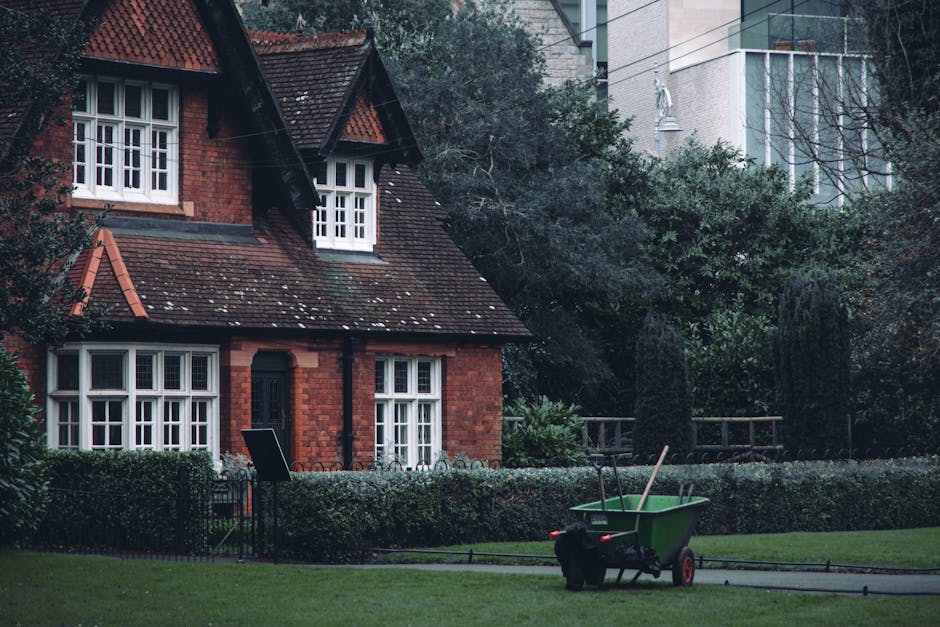
Best gardeners for Tottenham Lane homes in Crouch End
If you live on Tottenham Lane, you already know the garden can be a lovely asset and a bit of a headache at the same time. Narrow front plots, shaded rear gardens, mature hedges, awkward access, and the usual London mix of paving, brick, and compact outdoor space all ask for a gardener who understands the area properly. That is exactly why choosing the Best gardeners for Tottenham Lane homes in Crouch End matters: not just someone who can cut grass, but someone who can keep a local garden healthy, neat, and usable through the seasons.
In this guide, you will find a practical, no-nonsense look at what good local gardening support should include, how to compare services, what to expect from a professional visit, and where homeowners often go wrong. Truth be told, a tidy garden is easy to admire from the window; keeping it that way is the real job.
Table of Contents
- Why Best gardeners for Tottenham Lane homes in Crouch End Matters
- How Best gardeners for Tottenham Lane homes in Crouch End Works
- Key Benefits and Practical Advantages
- Who This Is For and When It Makes Sense
- Step-by-Step Guidance
- Expert Tips for Better Results
- Common Mistakes to Avoid
- Tools, Resources and Recommendations
- Law, Compliance, Standards, or Best Practice
- Options, Methods, or Comparison Table
- Case Study or Real-World Example
- Practical Checklist
- Conclusion
- Frequently Asked Questions
Why Best gardeners for Tottenham Lane homes in Crouch End Matters
Tottenham Lane homes sit in a part of North London where gardens often need more than the occasional quick tidy. Space can be tight, soil can be patchy, boundaries can be shared, and mature planting may need careful handling rather than rough treatment. A skilled gardener understands that a well-kept garden here is not about making everything look artificially perfect. It is about keeping the space healthy, manageable, and suited to how you actually live.
That matters for several reasons. First, regular care prevents small issues turning into bigger jobs. A hedge that starts leaning over the path can become a neighbour complaint. A lawn left too long can thin out, invite moss, and become harder to recover. A border that is ignored for one season can quickly turn into a full garden clearance project. If you have ever looked at a rear garden after a wet spring and thought, "Where on earth do I start?", you are not alone.
Second, local homes often benefit from gardeners who work with the character of the property rather than against it. Victorian and Edwardian terraces, side returns, and compact family gardens all have different needs. Good gardeners notice the slope, shade, drainage, access route, and planting style before they ever pick up a tool. That kind of judgement is what separates a decent job from a genuinely useful one.
For homeowners wanting ongoing help, the most reliable starting point is usually garden maintenance, because it keeps the whole space under control rather than waiting for problems to build up.
How Best gardeners for Tottenham Lane homes in Crouch End Works
At its simplest, professional gardening support starts with understanding the garden's current condition, then choosing the right blend of maintenance, tidy-up work, and longer-term improvement. In practice, it usually looks like this:
- Assessment: The gardener looks at lawn condition, hedge growth, weeds, borders, paths, access, and any safety concerns.
- Prioritising: They decide what needs immediate attention, what can wait, and what should be scheduled seasonally.
- Maintenance or clearance: The work might involve mowing, trimming, pruning, weeding, leaf clearance, or a fuller reset.
- Waste handling: Green waste should be collected and disposed of responsibly, not simply dumped at the side of the road. That would be a bit grim, frankly.
- Ongoing plan: Good gardeners leave you with a route forward, whether that means weekly visits, fortnightly care, or a one-off tidy.
For many Tottenham Lane gardens, the key is flexibility. A front garden might only need periodic edging and hedge trimming, while the back garden needs seasonal planting support, lawn care, or even hard landscaping improvements. Some properties also benefit from structural work like decking, which can make a small garden more usable without demanding endless upkeep.
If a garden has become badly overgrown, a one-off garden clearance can be the right starting point before maintenance begins. And where the layout itself needs improving, landscaping or landscape gardening may be the better long-term route.
Key Benefits and Practical Advantages
People often think gardening support is mostly about appearances. It is not. Appearance matters, yes, but the real value is in how the garden functions day to day. A properly maintained outdoor space feels calmer, safer, and easier to use. It stops becoming that thing you avoid looking at through the kitchen window.
- More usable space: Regular care keeps paths clear, seating areas accessible, and planting beds under control.
- Better plant health: Timely pruning, feeding, and weed control help plants recover and grow more evenly.
- Reduced stress: A maintained garden is less mentally demanding than a chaotic one. Small thing, big difference.
- Improved kerb appeal: Front gardens and visible hedges shape first impressions for guests, buyers, and neighbours.
- Safer conditions: Removing trip hazards, rotten growth, and unstable branches reduces everyday risk.
- Lower long-term costs: Staying on top of maintenance usually costs less than frequent rescue jobs.
There is also a practical comfort factor. When lawns are trimmed properly and hedges are not flapping over fences, the whole home feels more settled. On a damp London morning, that neatness is oddly satisfying. You notice it before coffee, even.
For routine care, services such as lawn mowing and hedge trimming tend to deliver the biggest visible difference with the least fuss.
Who This Is For and When It Makes Sense
This kind of service is not only for people with large gardens or detailed planting schemes. In fact, some of the most useful work happens in small urban gardens where time, access, and layout make DIY care awkward. If any of the following sounds familiar, you are probably in the right place.
- Busy homeowners: If your weekdays are packed and the garden gets attention only when the weeds are already winning.
- Landlords and property managers: If you need outdoor areas presentable between tenancies or viewings.
- Families: If the garden needs to be safe, tidy, and practical for children or pets.
- Older residents: If bending, lifting, or handling heavier garden tasks has become less comfortable.
- New homeowners: If you have just moved in and inherited a garden that needs sorting out.
- Anyone planning improvements: If you want to upgrade the space with planting, decking, or structural changes.
Sometimes the right choice is ongoing care. Sometimes it is a one-off reset. And sometimes it is both: a clearance to get started, then monthly maintenance to keep things sane. That combination is often the sweet spot for Tottenham Lane properties.
Step-by-Step Guidance
If you want a good result, it helps to approach the process in a simple, calm sequence rather than jumping straight into a quote conversation. Here is a practical way to do it.
- Walk the garden properly. Notice what is overgrown, what feels unsafe, what looks tired, and what you actually want to keep.
- Separate urgent work from cosmetic work. A broken fence panel or dangerous branch is not the same as untidy borders.
- Decide what you need: maintenance, clearance, lawn care, hedge trimming, or a broader landscaping plan.
- Check whether access is tricky. Narrow side passages, basement steps, and shared entrances can affect how a gardener works.
- Ask what the service includes. Will waste be removed? Are materials supplied? Is pruning included or charged separately?
- Agree a realistic schedule. Weekly, fortnightly, monthly, seasonal, or one-off. Be honest about how much upkeep you want to carry yourself.
- Review the results after the first visit. A good gardener will leave the space cleaner, clearer, and easier to maintain next time.
A small tip that saves a lot of bother: take a few photos before work begins. Not because anyone is trying to be dramatic, but because it makes it easier to compare what changed and plan next steps. Handy, and surprisingly useful.
If you are comparing wider services, the services overview page can help you understand how routine care, clearance, and improvement work fit together.
Expert Tips for Better Results
The best gardening outcomes usually come from consistency, not heroic effort. A few smart decisions early on save time later.
- Choose maintenance before rescue work: If the garden is still manageable, don't wait until it becomes a full clear-out.
- Match the service to the season: Some jobs are better done at specific times, especially pruning and lawn recovery.
- Use the right service for the job: Mowing is not the same as hedge shaping, and both are different again from landscape redesign.
- Ask about waste handling: Responsible disposal is part of the job, not an optional extra to be forgotten about.
- Think long-term: If a border or lawn keeps failing, maybe the issue is design or drainage rather than effort.
- Keep a basic routine between visits: Ten minutes a week with a small rake or secateurs can prevent a lot of mess.
In our experience, the gardens that stay looking good are not always the ones with the most money spent on them. They are the ones with a sensible plan. A good gardener will tell you when something can wait, and that honesty is worth a lot. No drama, just proper judgement.
For properties with trees or heavy growth, it may also be worth exploring tree lopping and removal when safety, light, or access has become an issue. That should always be handled carefully, and with the right checks.
Common Mistakes to Avoid
People usually do not make gardening mistakes because they are careless. More often, they are trying to save time or money and accidentally create a bigger job. Happens all the time.
- Waiting too long: A manageable hedge or lawn can turn into a demanding restoration project quickly.
- Choosing on price alone: The cheapest option is not always the best value if the work needs redoing.
- Ignoring access issues: A team can do better work when they know about narrow paths, locked gates, or limited parking ahead of time.
- Not clarifying scope: If you assume pruning, clearance, and waste removal are included, misunderstandings are almost guaranteed.
- Over-pruning plants: This is a classic mistake. Some plants cope, some really do not.
- Forgetting sustainability: If you want responsible waste handling and thoughtful planting, ask about it early.
Another common issue is treating every garden as if it should look the same. A family garden, a low-maintenance courtyard, and a leafy mature plot each need different care. Same postcode, different priorities. That is normal.
Tools, Resources and Recommendations
You do not need to be a gardening expert to make better decisions. A few practical tools and resources can help you stay organised and keep standards clear.
- A simple garden note: Jot down problem areas, seasonal tasks, and anything that has been recurring.
- Before-and-after photos: Useful for tracking progress and planning future visits.
- A basic calendar reminder: Helps with mowing frequency, hedge checks, and leaf clearance.
- Access information: Share gate codes, bin locations, and parking details in advance.
- Service comparison notes: Compare what is included, how waste is handled, and whether follow-up care is offered.
When a garden is repeatedly producing waste or overgrowth, it can help to think beyond the next cut. For example, a badly cluttered outdoor space may need garden clearance before any real improvement is possible. If you are planning an outdoor upgrade, decking services can also be a sensible way to create a cleaner, easier-to-manage seating area.
Some homeowners also like to learn how the business operates behind the scenes. If trust and transparency matter to you - and they should - pages such as about us, pricing and quotes, and insurance and safety are worth reading before you book.
Law, Compliance, Standards, or Best Practice
Garden work in a residential London setting is not heavily regulated in the way some trades are, but that does not mean standards do not matter. Quite the opposite. Good practice is what protects your property, your neighbours, and the people doing the work.
At a sensible level, a professional gardener should work in a way that respects safety, property boundaries, waste handling, and personal responsibility. That includes using tools appropriately, not creating avoidable hazards, and being careful around trees, walls, fences, and shared access routes. If work involves anything more technical - especially significant tree work, boundary issues, or structural changes - caution matters. A good team will know when a job should stop being informal and start being properly assessed.
Homeowners should also expect clear communication about payment, security, and service terms. Before booking, it is reasonable to review payment and security and terms and conditions so there are no awkward surprises later. Not exciting reading, admittedly, but very useful.
If sustainability matters to you, it is also worth checking how green waste is handled. Responsible disposal, recycling where possible, and thoughtful material use are all signs of a professional, modern service. You can learn more through recycling and sustainability.
Options, Methods, or Comparison Table
Not every Tottenham Lane garden needs the same type of support. The right option depends on what is happening in the space right now, and what you want it to become.
| Option | Best for | Typical outcome | Good to know |
|---|---|---|---|
| Routine garden maintenance | Gardens that are already in decent shape | Ongoing neatness, healthier planting, less weekend stress | Best for keeping things under control before problems build up |
| Lawn mowing and edging | Lawns that need regular tidying | Cleaner lines, better presentation, easier upkeep | Works well as part of a broader care plan |
| Hedge trimming | Boundary hedges and formal shapes | Sharper structure, better light, less sprawl | Needs timing and judgement so plants stay healthy |
| Garden clearance | Overgrown, cluttered, or neglected gardens | A fresh start and clearer access | Often the smartest first step before ongoing maintenance |
| Landscaping or landscape gardening | Gardens that need functional or visual improvement | Better layout, easier use, stronger overall design | More planning involved, but often worth it |
| Decking services | Homes needing a more practical outdoor seating area | Cleaner surface and a more usable space | Particularly helpful in compact urban gardens |
If you are unsure, start with the space itself rather than the service menu. Ask: does this garden need regular care, a reset, or a redesign? That one question usually points you in the right direction.
Case Study or Real-World Example
Imagine a Tottenham Lane terrace with a small front garden and a slightly larger rear space. The front hedge has become uneven, the lawn is patchy from shade, and the back border has filled with self-seeded growth after a busy few months. Nothing dramatic. Just the kind of garden that slowly drifts into "we'll sort it next weekend" territory.
The first visit focuses on clearance, cutting back overgrowth, and making the paths usable again. The hedge is reshaped, the lawn is levelled and mown, and the borders are opened up so the planting can breathe. Waste is removed. Suddenly the whole place feels lighter. Not bigger, exactly, but easier. You can see the back wall again. That alone changes how the home feels from inside.
After that, the gardener sets a lighter maintenance schedule. The lawn is kept shorter, the hedge is trimmed before it gets unruly, and the beds are checked seasonally. The big win is not just appearance. It is that the garden becomes manageable again. No more dread. No more last-minute panic before visitors arrive. Simple, but powerful.
This is usually the point where people realise they did not need a dramatic makeover. They needed the right sequence of work. First stabilise, then maintain, then improve. In that order.
Practical Checklist
Use this checklist before you book any gardener for a Tottenham Lane home.
- Do I want ongoing maintenance or a one-off tidy-up?
- Is the garden overgrown enough to need clearance first?
- Do I need lawn care, hedge trimming, tree work, or a broader redesign?
- Have I noted access issues, parking limits, or side passage width?
- Do I know whether waste removal is included?
- Have I asked how often the garden should be visited?
- Am I clear about what should be left alone?
- Have I checked terms, payment details, and safety information?
- Is sustainability important to me?
- Do I want a simple maintenance plan after the first visit?
Expert summary: the best gardeners for Tottenham Lane homes are the ones who combine tidy workmanship with practical judgement. They understand local garden layouts, do not oversell unnecessary work, and leave you with a space that is easier to live with, not just nicer to look at.
Get a free quote today and see how much you can save.
Conclusion
Choosing the best gardeners for Tottenham Lane homes in Crouch End is really about finding someone who understands the practical reality of London gardens. The right team will help you keep the space healthy, deal with overgrowth before it becomes a problem, and make sure the garden supports your home rather than competing with it for attention.
Whether you need routine care, a one-off clearance, or a more ambitious improvement plan, the smartest move is to start with the garden you actually have, not the garden you wish you had after a quick weekend miracle. Good gardening is steady, thoughtful, and a bit unglamorous sometimes. That is exactly why it works.
And honestly, once a garden starts feeling calm again, the whole house seems to breathe a little easier.
Frequently Asked Questions
What should I look for in the best gardeners for Tottenham Lane homes in Crouch End?
Look for clear communication, local understanding, sensible pricing, proper insurance, and a service that matches your garden's needs. A good gardener should be able to explain what they will do and why.
Do I need garden clearance before regular maintenance?
Not always, but if the garden has become heavily overgrown or cluttered, clearance is often the best first step. It gives the gardener a clean base to work from and makes future upkeep much easier.
How often should a Tottenham Lane garden be maintained?
It depends on the size, planting style, and how fast things grow. Some gardens need weekly or fortnightly care in spring and summer, while others do fine with monthly or seasonal visits.
Is hedge trimming included in general garden maintenance?
Sometimes it is, sometimes it is treated as a separate task. Always check the scope before booking so you know whether hedge work, waste removal, and shaping are included.
What if my garden is very small?
Small gardens still benefit from professional care, sometimes even more so. Tight spaces can look messy quickly, and a thoughtful gardener can help make them feel much more open and manageable.
Can gardeners help with lawn problems like moss or patchiness?
Yes, though the solution depends on the cause. In some cases it is a mowing and care issue; in others, the lawn may need aeration, feeding, re-seeding, or a more suitable planting approach.
Are landscaping and landscape gardening the same thing?
People often use the terms interchangeably, but landscape gardening usually leans more toward design and planting, while landscaping can include layout changes, hard surfaces, and structural improvements.
What should be included in a professional garden quote?
A good quote should explain the work to be done, whether waste removal is included, any extra materials or labour, and the expected frequency if it is ongoing maintenance.
How do I know if a gardener is the right fit for a London home?
They should understand access issues, neighbour boundaries, waste handling, and the realities of compact outdoor spaces. If they sound overly generic, that is a sign to keep looking.
Do I need to worry about safety or insurance?
Yes, especially if the work involves ladders, heavy tools, tree work, or awkward access. It is sensible to ask about insurance and safety practices before any work begins.
Can gardening services help improve kerb appeal before a sale?
Absolutely. A neat front garden, trimmed hedge, and tidy borders can make a property feel better cared for. That does not guarantee anything, of course, but first impressions matter.
What is the best first step if I feel overwhelmed by the garden?
Start with a simple assessment. Decide whether the space needs maintenance, clearance, or a redesign. If it all feels a bit much, a one-off visit to stabilise the garden is usually the most helpful move.