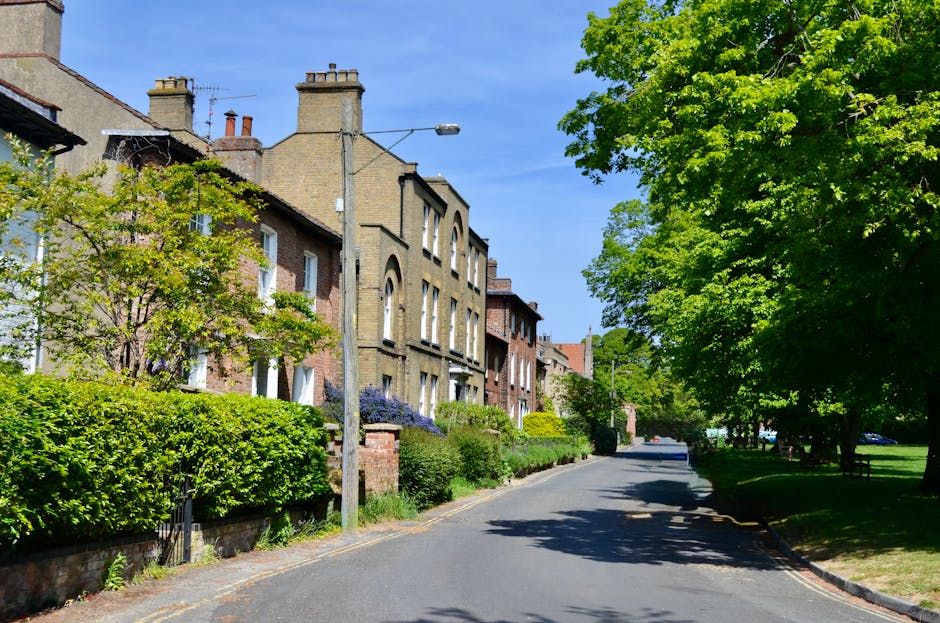
Hornsey Lane Lawn Planting Tips from Local Gardeners
If you are planning a new lawn, patching a tired one, or trying to get grass established in a tricky North London garden, the difference between "it should be fine" and "this actually works" is usually in the details. Hornsey Lane lawn planting tips from local gardeners focus on those details: soil prep, timing, seed choice, watering, and the small local realities that can make a lawn thrive or struggle. A windy slope, a shaded corner, compacted soil after building work, or just a busy family garden that gets used every day - these all matter.
In this guide, you will get a practical, local-gardener view of how to plant a lawn properly, what to avoid, and when it makes sense to bring in help. It is written for real gardens, not idealised ones. Let's face it, most lawns have a story.
Table of Contents
- Why Hornsey Lane lawn planting tips from local gardeners Matters
- How Hornsey Lane lawn planting tips from local gardeners Works
- Key Benefits and Practical Advantages
- Who This Is For and When It Makes Sense
- Step-by-Step Guidance
- Expert Tips for Better Results
- Common Mistakes to Avoid
- Tools, Resources and Recommendations
- Law, Compliance, Standards, or Best Practice
- Options, Methods, or Comparison Table
- Case Study or Real-World Example
- Practical Checklist
- Conclusion
- Frequently Asked Questions
Why Hornsey Lane lawn planting tips from local gardeners Matters
Hornsey Lane sits in a part of London where gardens often deal with a mix of shade, boundary walls, mature trees, narrow access, and soil that has seen a lot of foot traffic over the years. That matters more than people sometimes think. A lawn is not just "seed plus water". It is a living surface that depends on light, drainage, seed-to-soil contact, and a bit of patience.
Local gardeners tend to notice patterns that outsiders miss. For example, one side of a garden may dry out faster because of reflected heat from paving or brick. Another patch may struggle because roots from nearby trees are competing for moisture. On a wet week, clay-heavy ground can hold too much water. On a dry spell, the top layer can crust over. These are normal conditions in many London gardens, but they do affect results.
That is why a local approach is useful. It is not about making lawn planting sound complicated. It is about matching the method to the garden you actually have. If the space is being redesigned as part of a bigger project, it may help to look at broader landscaping or garden design support as well, especially where levels, edges, and drainage need attention before sowing begins.
Practical truth: a well-prepared lawn usually looks better in its first month than a rushed one does in its first year.
How Hornsey Lane lawn planting tips from local gardeners Works
Planting a lawn is really a sequence of small jobs done in the right order. The exact approach depends on whether you are sowing seed, laying turf, or repairing bare patches, but the basic logic is the same: prepare the ground, create the right growing conditions, then keep the new grass safe while it establishes.
Local gardeners usually start by checking three things. First, how much sunlight the area gets. Second, how free-draining the soil is. Third, how the garden is used day to day. A family lawn that sees football, pets, and wheelbarrows is a different job from a decorative front garden that only needs occasional trimming.
The planting process generally works like this:
- Clear the area of weeds, stones, old roots, and debris.
- Improve or level the soil so the surface is even and stable.
- Choose a grass seed or turf blend suited to the light and use pattern.
- Lay seed evenly or fit turf tightly, with no obvious gaps.
- Water gently and consistently until the grass is rooted and growing.
- Begin light maintenance once the lawn is strong enough to handle it.
The point is not to rush the calendar. It is to create a calm start. A lawn under stress in week one often stays patchy for months. A lawn given the right start usually settles in beautifully, even if the weather is a bit moody - which, to be fair, is very London.
Key Benefits and Practical Advantages
When lawn planting is done properly, the rewards are immediate and long-term. You get a cleaner look, better usable space, and usually less trouble later on. Local gardeners will often say the same thing: it is easier to do the groundwork now than to keep rescuing a struggling lawn later.
- Better root establishment: good soil contact and steady moisture help new grass anchor faster.
- Fewer weeds: a dense, healthy lawn leaves less open space for unwanted growth.
- Improved drainage and appearance: surface levelling can reduce puddling and those annoying dips that catch the eye.
- Lower long-term upkeep: strong turf or well-germinated grass needs less patching and less frustration.
- More usable garden space: a proper lawn gives children, pets, and guests a place to actually enjoy.
There is also a quieter benefit that people notice after a while. A good lawn changes how the whole garden feels. It softens hard edges, makes boundaries look cleaner, and gives the space a sense of care, even if the rest of the garden is still evolving. If you are already working on wider maintenance, regular garden maintenance can help keep the new lawn from being overshadowed by weeds, hedge growth, or messy borders.
Who This Is For and When It Makes Sense
This advice is useful for several kinds of homeowners and tenants. Some are starting from scratch after building work. Others are replacing a scruffy lawn that never really recovered from summer heat, heavy use, or poor drainage. And some people just want a front garden that looks cared for without becoming a weekend chore.
Hornsey Lane lawn planting tips from local gardeners make the most sense if:
- the lawn has bare patches, moss, or thin grass cover;
- the soil is compacted, uneven, or full of old debris;
- the garden gets mixed shade and sun;
- the space has recently been cleared or reworked;
- you want a practical surface rather than a decorative one only;
- you are comparing seed, turf, or a full landscaping approach.
If the garden is overgrown or cluttered with old materials, a proper garden clearance can be the first sensible step. No point sowing new grass into a site that still has rubble, roots, or compacted waste underneath. That way lies disappointment, usually.
For some households, it also makes sense to pair lawn work with practical extras such as edging, borders, or even paving transitions. If that is your situation, services like decking services or wider landscaping plans may be worth thinking about before the lawn is planted, not after.
Step-by-Step Guidance
Here is the practical version local gardeners tend to follow. Not fancy. Just solid.
1. Inspect the site properly
Walk the garden at different times of day. Note where the sun lands, where water pools, and where the ground feels hard underfoot. If a spot stays damp for days after rain, the drainage needs attention before you plant.
2. Remove weeds, stones, and old growth
Take out perennial weeds as thoroughly as possible, not just the visible top growth. Stones and builders' debris can stop seed from settling evenly. If the area has been neglected, it may be worth doing this as part of a larger tidy-up rather than trying to patch things bit by bit.
3. Loosen and improve the top layer
Rake, fork, or cultivate the topsoil so it is open enough for roots to move into. If the soil is thin, add a suitable topsoil or soil conditioner. If it is heavy and sticky, improving structure matters more than simply adding more seed.
4. Level the surface
This is the bit people underestimate. Small hollows become puddles. Tiny bumps make mowing awkward later. A level surface does not have to be dead flat, but it should be even enough that water flows sensibly and the mower can pass cleanly.
5. Choose the right grass mix
Not every lawn seed blend suits every garden. A shaded area needs a different balance from a sunny, well-used patch. A family lawn may need a tougher, more hardwearing mix. A decorative lawn may prioritise finer texture. In real life, mixed-use lawns are common, so a balanced seed blend is often the safest starting point.
6. Sow or lay with care
If you are sowing seed, spread it evenly in two directions for better coverage. If you are laying turf, stagger the joints and press edges together so they do not dry out. Either way, good contact with the soil is essential. Loose seed or turf left sitting on the surface will not settle well.
7. Water gently and often enough
Watering is where many people go too hard or not hard enough. You want the surface to stay lightly moist, not flooded. A fine spray is better than a heavy blast that shifts seed around or creates ruts. Early morning watering is often the most practical choice because it reduces evaporation.
8. Protect the area while it establishes
Keep foot traffic off the lawn as much as possible. If children or pets are around, set simple temporary boundaries. This is not glamorous, but it works. A few weeks of restraint can save months of repair.
9. Begin mowing at the right time
Do not rush into a full cut. Wait until the grass is rooted and long enough to trim without pulling. When you do mow, keep the blades sharp and cut lightly. If you want regular support after establishment, lawn mowing services can help maintain the right height and avoid stress on young grass.
Expert Tips for Better Results
Here are the kinds of tips local gardeners tend to remember because they save time, money, and a fair amount of grief.
- Test the garden in practice, not just on paper. A spot that looks sunny in winter may be shaded heavily in spring once leaves come in.
- Do not overfeed young grass. Too much fertiliser too soon can encourage weak growth. Slow and steady wins here.
- Mind the edges. Grass at borders often fails first because it dries out or gets kicked. Edging and a tidy margin help.
- Fix drainage before planting if you can. Seed will not magically solve a soggy patch.
- Expect some unevenness at first. New lawns often look a touch patchy before they thicken. That is normal.
- Use a light hand with raking after sowing. You want contact, not burial.
One small local reality: many Hornsey Lane gardens have a bit of shade from buildings or trees for part of the day. That means a "perfect" lawn is less realistic than a healthy, resilient one. Aim for durable and attractive. That is the sweet spot.
If nearby trees are affecting growth too much, a conversation about canopy management may be needed. In those cases, tree lopping and removal should always be approached carefully and only where genuinely appropriate, because roots, shade, and access all affect how a lawn performs.
Common Mistakes to Avoid
Most failed lawn starts come down to a handful of avoidable errors. None of them are dramatic on their own, which is why they sneak up on people.
- Planting into poor soil: if the top layer is compacted, roots struggle from the start.
- Skipping levelling: small dips and ridges become obvious after rain and mowing.
- Using the wrong seed mix: a seed chosen for a sunny showpiece will often disappoint in shade.
- Watering inconsistently: dry one day, flooded the next. Grass hates that.
- Walking on it too soon: new growth looks stronger than it really is.
- Ignoring surrounding work: hedge clippings, soil spills, and access traffic can undo careful planting.
Another common issue is starting with too much optimism and not enough preparation. Happens all the time. People see a bare rectangle and think, "Easy job." Then they meet the clay underneath, the awkward access, and the fact that the neighbour's tree has other ideas. Not impossible - just more involved than expected.
Tools, Resources and Recommendations
You do not need a van full of specialist kit to plant a lawn, but a few sensible tools make the job much smoother.
| Tool or Material | What It Helps With | Practical Note |
|---|---|---|
| Rake | Levelling and spreading seed lightly | Choose one that feels balanced in the hand; too aggressive and it can pull up the soil |
| Fork or aerator | Loosening compacted ground | Especially useful where the lawn has had heavy use |
| Topsoil or soil improver | Building a healthier seed bed | Use a suitable grade rather than whatever is cheapest |
| Grass seed blend | Starting the lawn | Match it to shade, sun, and wear |
| Watering can or fine-spray hose | Keeping the surface evenly moist | A harsh spray can move seed around |
| Sharp mower | First trims and ongoing maintenance | Blunt blades tear new grass instead of cutting it cleanly |
If you are planning a broader refresh, it can be helpful to review the overall service approach on the services overview page and then decide whether the lawn should be part of a wider plan rather than a standalone job. Sometimes the honest answer is that the lawn is only one piece of a bigger garden reset.
For people comparing budgets or timing, the pricing and quotes page can be a sensible next stop. And if you are thinking about maintenance after the planting stage, regular care may be more valuable than an occasional rescue attempt.
Law, Compliance, Standards, or Best Practice
For most private garden lawn projects, there is usually no special legal barrier to planting grass. Still, good practice matters, especially where your work affects neighbours, shared boundaries, drainage, or tree roots. If access is tight or machinery is used, sensible safety steps are part of the job rather than an optional extra.
In UK garden work, common best practice includes:
- making sure access routes are clear and safe;
- using tools correctly and keeping sharp equipment maintained;
- taking care around boundaries, fences, and retaining edges;
- avoiding runoff or mess that could create a nuisance next door;
- checking whether nearby trees or shrubs are influencing the site;
- disposing of waste responsibly where clearance is involved.
If you are hiring help, it is sensible to choose a team that takes safety and insurance seriously. You can review a company's approach to insurance and safety and their health and safety policy before work begins. That is not over-cautious. It is just good housekeeping, especially when digging, lifting, and working close to paths or structures.
Where garden waste is generated, especially after clearance or renovation, responsible disposal matters too. The principle is simple: keep the site tidy and dispose of materials properly. If sustainability is a concern, the company's recycling and sustainability approach can help reassure you that the job is being handled thoughtfully.
Options, Methods, or Comparison Table
Not every lawn project should be handled the same way. The best method depends on your timeline, budget, and how much the garden needs doing. Here is a practical comparison.
| Method | Best For | Strengths | Trade-Offs |
|---|---|---|---|
| Grass seed | Budget-conscious projects and flexible timing | Cost-effective, wide choice of seed mixes, good long-term results when established well | Takes longer to establish and needs more protection early on |
| Turf | Quick visual impact and immediate use after establishment | Instant finish, faster coverage, cleaner look from day one | Usually more expensive and still needs careful watering and aftercare |
| Patching and overseeding | Thin lawns with localised damage | Targets problem spots without starting over | Less effective if the whole lawn is tired, uneven, or heavily compacted |
| Full lawn renovation | Major rework after clearance or redesign | Best chance of correcting soil, drainage, and shape issues | Takes more planning and often works best as part of a bigger garden project |
In practice, many local gardens end up somewhere between the categories. A tired lawn may only need overseeding in one area and better edging in another. A newly cleared space may need a full reset. There is no prize for doing more than necessary.
Case Study or Real-World Example
Consider a typical Hornsey Lane garden with a narrow side access, one shady rear corner, and a patchy lawn that had been worn down by a dog and a lot of summer use. The owners wanted something greener, but they also wanted the garden to stay practical. Not a showpiece lawn they would be terrified to step on.
The first step was clearing the area and removing old debris, roots, and a few stubborn weeds. The ground was then loosened and levelled, with extra attention paid to a low spot near the back fence where water had been hanging around after rain. Rather than using a single seed type everywhere, the gardeners used a more resilient mix in the high-traffic section and a shade-tolerant blend in the back corner.
Watering was kept light but regular. No dramatic soaking. Just enough to keep the seedbed moist while the grass established. The owners were told to keep off it as much as possible for the first few weeks, which is easier said than done when the weather is nice and the garden looks temptingly soft underfoot.
The result was not instant perfection. The shady corner took longer. The edge near the path needed a small touch-up. But the lawn came together in a way that felt realistic and durable. That is usually the goal. Not a miracle. A good, steady result that fits the garden.
For more complex starts like that, especially where the whole outdoor space needs reshaping, it can be useful to combine lawn work with broader landscape gardening support so the final layout makes sense from the start.
Practical Checklist
Use this before you plant or replant your lawn. It keeps things simple.
- Have you checked how much sun and shade the area gets?
- Is the soil free of rubble, roots, and obvious weeds?
- Have you dealt with compaction or drainage problems?
- Is the surface level enough for safe mowing later?
- Have you chosen the right grass seed or turf for the space?
- Do you have a watering plan for the first few weeks?
- Will the area be protected from heavy foot traffic?
- Are borders, hedges, or trees likely to affect the lawn's success?
- Have you planned aftercare, including the first mow?
- Do you know whether the job is small enough to DIY or better handled professionally?
Quick takeaway: the best lawn planting result usually comes from preparation, not luck. Sounds obvious, but it is easy to forget when you are eager to see green.
Get a free quote today and see how much you can save.
Conclusion
Hornsey Lane lawn planting is not about chasing a perfect magazine lawn. It is about getting the basics right in a real London garden: shade, soil, drainage, timing, and sensible aftercare. Local gardeners know that the best results usually come from careful preparation and a method that suits the space, not from rushing the process or throwing seed at the problem and hoping for the best.
If your garden needs a straightforward reset, or if the lawn is just one part of a wider outdoor tidy-up, taking a measured approach will save you hassle later. And if you want support from a team that understands the practical side of local garden work, it may be worth looking at the company's about us page, checking the garden maintenance service, or starting a conversation through the contact us page. A good lawn begins with a good plan. Simple as that, really.
And when it settles in, with that first proper green flush after a damp morning, it does feel worth it.
Frequently Asked Questions
What is the best time to plant a lawn in Hornsey Lane?
In most London gardens, early autumn is often a strong time because the soil is still warm and rainfall can help establishment. Spring can also work well if you can keep up with watering. The main thing is to avoid planting into cold, dry, or waterlogged conditions.
Should I use grass seed or turf for a small garden?
Seed is usually more budget-friendly and gives you more control over the grass type. Turf gives a faster finish and is useful if you want the space to look complete quickly. If the garden is tricky, a local gardener can help you decide which is more realistic.
How long does new lawn seed take to establish?
That depends on weather, seed type, and how well the area was prepared. You may see germination relatively quickly, but full establishment takes longer. Patience matters here. Young grass can look promising before it is truly strong enough to handle much traffic.
Why is my new lawn patchy after sowing?
Patchiness usually comes from uneven seed distribution, poor soil contact, shade, or watering that was too inconsistent. Sometimes birds, pets, or heavy rain also disturb the seed. A small amount of patchiness is common early on, but large bare areas usually need a follow-up.
Do Hornsey Lane gardens need special lawn care because of shade?
Quite often, yes. Many local gardens have partial shade from trees, walls, or nearby buildings. Shade-tolerant seed mixes, careful watering, and less aggressive mowing help improve results in those areas.
Can I plant a lawn after garden clearance?
Yes, and that is often the best time to do it. Once debris, weeds, and old materials are removed, you have a clean slate. The key is to improve the soil properly before sowing or laying turf, rather than planting directly into a cleared but tired surface.
How often should I water a newly planted lawn?
New lawns usually need the surface kept evenly moist, especially while seed is germinating or turf is rooting. The exact frequency depends on weather and soil type, but the aim is consistency. Drying out and then being drenched tends to cause problems.
When can I mow a new lawn for the first time?
Only once the grass is well rooted and long enough to cut without being pulled up. The first mow should be light, with sharp blades and no heavy pressure on the soil. If in doubt, wait a little longer. That is rarely the wrong call.
What are the most common mistakes local gardeners see?
The big ones are poor soil preparation, planting into compacted ground, watering badly, and choosing the wrong grass for the conditions. Rushing the job is another classic mistake. It rarely saves time in the end.
Do I need professional help for lawn planting?
Not always. Small, straightforward lawns can be a DIY job if you are confident with the prep. But if the garden has drainage issues, awkward access, heavy shade, or a wider redesign planned, professional help can save a lot of backtracking.
Will lawn planting work if there are trees nearby?
Yes, but you may need to adjust expectations. Tree roots can compete for water and nutrients, and shade can limit growth. In some cases, the answer is better soil prep and a shade-tolerant seed mix; in others, more structural changes may be needed.
How do I keep a newly planted lawn from failing in the first month?
Keep traffic off it, water consistently, and avoid cutting too soon. Also, watch the weather. A sudden hot spell or heavy rain can change the job quickly, so it helps to check the lawn daily at first. A little vigilance goes a long way.